Expert Home Window Installation: Transform Your Home with Specialist Accuracy
A well-installed home window quiets a busy street, stops a draft you utilized to neglect, and reframes the light you cope with on a daily basis. It appears easy, but a home window is a working system, not simply glass and framework. When developed and fitted correctly, it handles weather condition, manages temperature level, dampens noise, and boosts visual charm. When set up improperly, it ends up being a recurring migraine: condensation that discolorations drywall, sashes that stick, exterior siding that warps from trapped moisture, and energy costs that sneak upward month after month. I have actually strolled right into homes with new windows that leaked at the very first coastal tornado since the flashing tape was bridged instead of rolled tight into the sheathing. The crew remained in and out in a day. The water was not.
Professionals assume in layers, tolerances, and sequence. That way of thinking transforms the messy act of cutting a hole in your structure envelope right into a lasting improvement. Whether you are planning a full-frame window replacement or establishing brand-new units in new building and construction, the difference in between a home window that does for decades and one that rattles loose in 5 years comes down to decisions made prior to the very first nail is pulled.
What a Window Actually Does
On paper, a home window is rated for visible light, thermal performance, and structural lots. In practice, it has to do all of the adhering to at the same time: drop bulk water, block air breach, drain pipes any water that sneaks past the initial line of defense, resist wind stress, control convected heat, and operate efficiently via periods. That list suggests why professional home window setup matters greater than any advertised R-value. The system itself can be outstanding and still stop working inside a year if water management is wrong or if the frame is racked while shimming.
Think of the home window opening as a small roof-and-wall system. From the home siding inward, you have cladding, a drain plane, flashings, framing, insulation, indoor air barrier, and trim. A wise installer connections the new window right into those layers so water recognizes where to go and air has no path to leak.
Replacement or Brand-new Building and construction, and Why It Matters
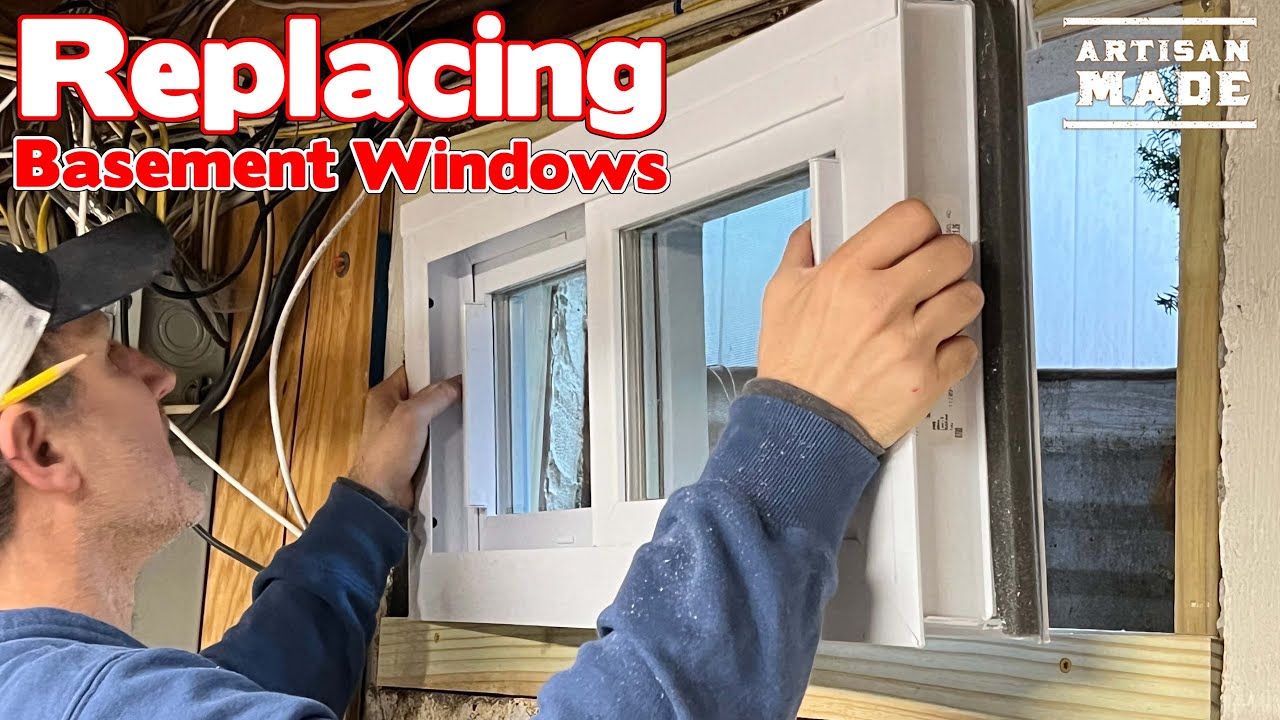
Window substitute covers a spectrum. Occasionally you maintain the existing structure and covering, and place a new home window device inside the old jambs. Other times you remove whatever to the harsh opening and begin fresh. Each approach has good use cases.
Insert replacements maintain outside and interior surfaces undamaged, which saves time and often minimizes cost. This approach can be the ideal move in homes with historical trim or stucco that you do not want to disturb. The compromise is smaller sized glass area and the threat of building over unidentified issues. If the old frame is out of square or the sill is spongy, you are suitable a new window into an endangered structure.
Full-frame window substitute provides you a clean slate. You can remedy rot, re-flash, protect, and set up a new sill pan. It's even more intrusive and may disturb exterior siding or indoor housing, yet it allows a professional bring back the structure envelope correctly. In homes where condensation has been a reoccuring issue, or in regions with wind-driven rain, full-frame replacement often tends to pay back in efficiency and peace of mind.
For new building, the window enters into an intended wall setting up. You get to position the unit relative to the insulation layer and weather-resistant obstacle, select a nailing fin or flanged frame, and incorporate flashings in the appropriate sequence from the start. The exact same concepts apply to both circumstances, but you have more control with brand-new builds.
The Composition of a Right-Sized Opening
I when came to a task where every vinyl device bowed in the facility. The staff had forced tight-fitting home windows into harsh openings reduced hardly bigger than the structure. They believed limited indicated airtight. Actually, windows require constant clearances to allow shimming, growth, and drain. Manufacturers specify rough opening measurements, typically 1/4 to 1/2 inch larger than the system in size and height. This space is except foam alone; it's for alignment.
Plumb, degree, and square are not clichés. They are checkpoints at each side and corner. A pro will certainly shim the hinge side of a sash to carry the weight of the sash, after that examine expose lines around the boundary before securing. On double-hungs, one trick is to determine corner-to-corner diagonals. If they match, the structure is square. If not, you adjust shims till the sash runs smooth and latches without friction.
Water Monitoring: Sill Pans and Flashing That In Fact Work
Water will surpass the first line of protection at some time, which is fine if you plan for it. The sill pan is the unrecognized hero here. You can buy rigid frying pans or fabricate one with flexible blinking. The trick is to produce a back dam and slope toward the outside. Any water that strikes the frying pan must have a gravity path out, not a capillary course in.
Sequencing matters. Initially, the rough opening obtains a pre-flash: self-adhered membrane layer at the sill and up the jambs, with the sill piece reduced long enough to cover the edges and fold onto the face of the sheathing. After that the frying pan. Then the home window, bedded in a continual bead of sealer at the top and sides of the flange, never near the bottom weep areas. After securing, jamb and head flashings go on in tile style, always allowing water lap external. I have actually seen tasks with head blinking tape tucked behind the housewrap. It really felt tidy, however it produced a pocket that trapped water. The right series is housewrap splashed over the head flashing. If you are not sure, assume like rain: loss, shed, drain.
The Foam Question: How Much, Which Kind, and Where
Spray foam secures the void in between window structure and rough opening, however a lot more is not better. Over-expanding foam can bow the frame and ruin procedure. The clever method makes use of low-expansion foam rated for windows and doors. Apply in light passes, allow it treat, then trim flush. In older homes with uneven framing, I sometimes backfill with mineral wool or fiberglass prior to foaming. The fiber gives insulation without stress, and the foam takes care of air sealing.
On exterior flanged devices, the weather seal is outside at the flange and flashings, not the indoor foam. That distinction issues. The indoor seal is an air barrier and an energy control layer, yet bulk water should already have a way out before it gets that far.
Energy Performance: Beyond U-Factors and Advertising Labels
High performance glass and frames deserve the money in a lot of environments, yet installation top quality can eliminate their advantage if ignored. U-factor informs you how much warm streams via the device. Solar warmth gain coefficient (SHGC) suggests just how much solar radiation the glass transfers. In north areas, a somewhat higher SHGC can help cozy winter season interiors on south-facing altitudes. In warm environments, you want lower SHGC to minimize cooling down lots. Low-E finishings, gas loads like argon, and warm-edge spacers all contribute.
Where the installer makes their keep remains in minimizing thermal linking at the border and positioning the home window in accordance with the wall's insulation layer. In deep-wall retrofits with outside constant insulation, we commonly "throw out" the opening so the window sits closer to the thermal plane, decreasing condensation danger at the indoor jambs. On masonry buildings, thermal breaks at the framework user interface can be the difference in between a comfortable space and one with chilly drafts that really feel mystical up until you map air flow with a smoke pencil.
Noise Control and Comfort You Can Feel
If you live near a trip path or a busy arterial roadway, laminated glass or acoustic glazing pays returns. But the boundary seal is equally as important. I've determined 5 to 8 decibels of renovation merely by remedying air leak around or else good systems. Even in silent areas, an appropriately mounted home window lowers midwinter cool places near seating areas and prevents that slow head stress you get from refined drafts. Customers report that the rooms feel calmer, which is a subjective method of seeing well balanced temperature and lower noise.
Common Blunders I Still See
It is impressive how frequently the same five mistakes appear on work after work. The patterns are predictable and preventable with a self-displined process.
- Omitting a sloped sill pan or back dam, which forces water to discover its very own course into framing cavities.
- Over-foaming the boundary, which bows structures and damages operation on day one.
- Flashing out of sequence, specifically ahead, welcoming water behind the weather barrier.
- Fastening through the head flange on some plastic or composite units where the supplier forbids it.
- Installing without correcting an out-of-square rough opening, after that criticizing the item for sticky sashes.
Each of these is avoidable with an additional 20 to 40 mins per opening. That time financial investment repays in decades.
Choosing Products That Match your house, Not a Trend
Window frames can be found in timber, fiberglass, vinyl, aluminum-clad wood, and compounds. I such as different products for various reasons. In humid seaside environments, fiberglass and aluminum-clad wood manage growth and climate cycles gracefuly. In chillier inland regions, shielded plastic frames with bonded edges offer dependable performance at an affordable cost, if mounted in a plumb, square opening and coupled with careful blinking. For historic homes, true wood interiors with exterior cladding shield the look without welcoming rot. The right option can also minimize callbacks. For example, dark vinyl in straight southwest sunlight can get to temperature levels that trigger motion; in those exposures, fiberglass or dressed wood might remain truer.

Hardware and finish options affect toughness, too. Stainless steel coastal plans resist rust. For tilt-turns and bigger casements, durable multi-point locks maintain seal compression. These information turn up years later on when the take care of still feels tight and the sash shuts against the weatherstrip without a fight.
Sequencing a Replacement Task Without Chaos
A great team relocations with a residence with rhythm. They secure floors, set up dirt containment, and phase units so the home is never ever large open to the weather condition. A typical full-frame window replacement on a single-family home runs two to five days, depending on the count and intricacy. Removing interior casing thoroughly permits reuse or quicken re-trim. Exterior work depends upon cladding: nail-fin home windows under plastic exterior siding integrate quickly when you unzip training courses and retire the J-channel; fiber concrete or timber lap calls for cautious cuts and patching. Stucco needs saw cuts, a brand-new flange integration, and correct lath and patch, so timing matters for treatment periods.
One note from experience: constantly have a weather condition strategy. If clouds build on the first day, begin on the leeward side and maintain the crew limited so you can shut openings as you go. I have actually needed to tarp a wall in an abrupt squall. The projects that ride out shocks are the ones where each opening is dealt with as a complete system prior to anybody breaks for lunch.
The Home owner's Function: Prep and Choices That Pay Off
Clients often ask why home window installment appears costly contrasted to the device price. The response is the labor and the liability. You are spending for knowledgeable hands and for the self-control that ensures your wall surfaces remain completely dry. That claimed, house owners can tilt the task towards success.
Before the crew arrives, clear four feet around each window inside and out, take down blinds and drapes, and disable alarms on sashes. If you have houseplants or delicate furnishings near a bay window, move them to one more space. Confirm that animals will be had, especially on days when doors are open and ladders are set. Share your top priorities early: if preserving indoor trim is a must, plan for extra labor. If power efficiency is extremely important, choose units with the ideal U-factor and SHGC, and inquire about warm-edge spacers and three-way glazing in north-facing bedrooms.
Integrating Windows With the Bigger Envelope Strategy
Window Installment is not an isolated occasion. It intersects with attic room insulation, heating and cooling balance, and outside cladding health. Replace a financial institution of leaking double-hungs with limited sashes and your home will certainly be much less forgiving of combustion devices that depend on indoor air. If you have an older natural-draft water heater, think about a burning safety and security check after a whole-house window substitute. Similarly, with tighter windows you may wish to add flow vents or prepare for mechanical ventilation. The objective is a regulated, healthy exchange, not arbitrary air leaks.
On the exterior, think about exactly how the brand-new units associate with flashing at decks and roofings. I have actually seen deck ledger flashings that discarded water onto head trims. When we restored the opening for a brand-new patio area door, we extended the housewrap, re-lapped the ledger blinking, and gave water a tidy path away. Windows are nodes in a network of water and air control layers. Get the links right, and the entire residence carries out better.
Warranty Truth and What It Needs of the Installer
Manufacturers' service warranties look generous theoretically, usually 10 to twenty years on glass seals and minimal lifetime on structures. Read the small print and you'll see that insurance coverage depends upon correct setup and upkeep. If a device fogs inside the insulated glass, the manufacturer may change the sash. If water problems your sill, that's often installment, and it gets on the installer. Respectable contractors match maker warranties with their own labor warranties, generally one to five years. Request both in creating. Likewise ask whether caulk belongs to the long-term upkeep plan. Some joints, particularly on seaside homes, require a refresh every five to seven years. Recognizing that up front protects against unwelcome surprises later.
When a Greater Bid Conserves Money
Bids for home window replacement often range widely. It is alluring to take the low number, particularly when sales representatives promise quickly turn-arounds. I advise looking beyond price to the range. Does the proposition consist of full-frame elimination or insert-only? Sill frying pan flashing? Exterior and sliding glass door installation Austin interior trim? Painting? Disposal? Permit fees when needed? A transparent bid that notes sequences and materials normally indicates a contractor that values the building science behind the work. That regard often turns up in fewer callbacks and far better performance. I maintain a mental ledger of callbacks by job. The ones that went most affordable in advance frequently cost extra in the long run, with an added service check out or two and a house owner who never ever quite depends on the window again.
A Day on Website: What Expert Precision Looks Like
On a current project, a 1920s bungalow with cypress exterior siding and bumpy glass, the customers enjoyed their house but wanted quieter rooms and reduced heating costs. The initial double-hungs had charm and air leaks you can really feel. We sourced wood-interior, aluminum-clad units with substitute separated lites to match the period style. We documented each opening, photographing existing trim accounts and casing returns so we can reproduce them.
When we opened the first wall, we discovered the anticipated: no sheathing at the edges, just diagonal bracing and board sheathing in other places. We mounted plywood dollars to normalize the harsh openings, after that included adaptable flashing to construct a correct sill frying pan with a back dam. Each window was set with shims at the hinge factors, discloses tuned till the sashes ran smooth, and bolts examined against the maker's spec. We foamed gently, insulated the weight pockets, and tied the head blinking right into the housewrap, which we surgically accessed behind the house siding. The team moved progressively, 2 rooms per day, always ending up trims and painting before breaking down the dust control. The homeowners called me 2 weeks later on and said the difference in nighttime sound was surprising. Even more telling, their radiators ran much shorter cycles since the drafts were gone.
Window Replacement as Part of a Longer Modernization
For several homes, home window substitute accompanies various other updates: outside repainting, exterior siding replacement, or an enhancement. If you intend several jobs, sequence them intelligently. It typically makes good sense to change home windows prior to brand-new home siding so the cladding can integrate cleanly to the brand-new flanges and trims. Painters favor to function after final caulks are treated. Inside, if you are redecorating floorings, timetable home window job first to prevent ladder marks and trim sawdust on new surface. When a general professional manages the sequence, trades can share protection and staging, which lowers both time and cost.
The Silent Details That Different Good From Great
Professionals establish behaviors that are very easy to miss however matter with time:
- Pre-drilling via composite frames where called for to prevent splitting and to keep fastener heads flush.
- Back-priming timber trims and sills prior to setup so moisture does not move into end grain.
- Keeping weep paths open by preventing sealant at the incorrect places and by clearing particles before finishing.
- Aligning equipment strikes and inspecting compression at weatherstrips with a dollar-bill test on operable sashes.
- Documenting every opening with pictures throughout setup so any future concern can be traced to problems, not guesswork.
These steps do not add drama to a set up day, but they include years to a window's life.
A Practical Checklist for Homeowners Preparation Home Window Work
Use this succinct checklist to framework decisions and discussions prior to you commit.
- Decide between insert and full-frame home window replacement based upon structure condition, efficiency objectives, and trim preservation.
- Confirm power targets: U-factor and SHGC suitable for your environment and orientation.
- Ask each prospective buyer to define blinking series, sill pan strategy, and foam kind; get it in writing.
- Clarify extent for trim, paint, disposal, and lead-safe methods if your home precedes 1978.
- Plan logistics: access, weather home window, interior prep, and any short-term security actions for open rooms.
When Home window Setup Modifications How a Home Feels
After a well-executed mount, the distinction shows up in indirect ways. You quit shutting the blinds to conceal condensation on cool early mornings. The pet naps by the bay window in January since the floor is no longer cold. You draw chairs closer to the light due to the fact that glare is subjugated by the best glazing, not eradicated by hefty drapes. Energy expenses maintain. You observe the absence of a draft not as an attribute, but as a plain convenience. That is the subtle power of a professional window installation.
Technical know-how, the ideal materials, and craft judgment assemble at those frames. The installer has to review the wall surface, regard the rain, and establish each device so it can take a breath, drainpipe, and carry out. If you pick your approach with a clear eye and work with for accuracy as opposed to promises, your windows will end up being quiet partners in how you live, every day, season after season.